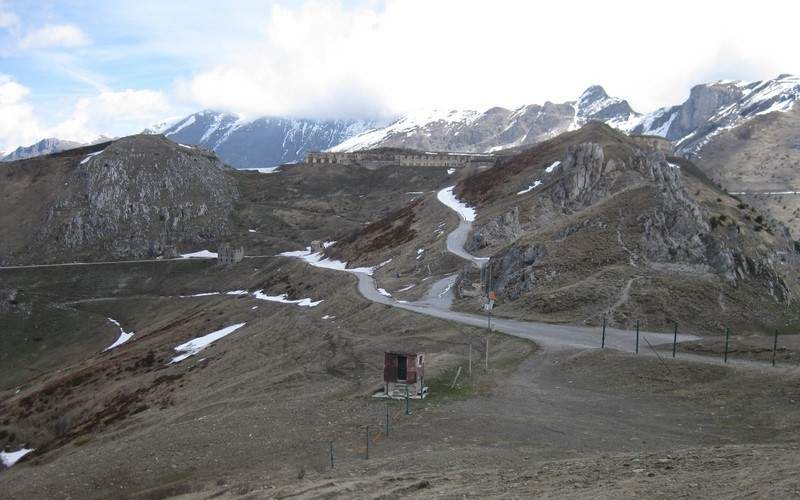
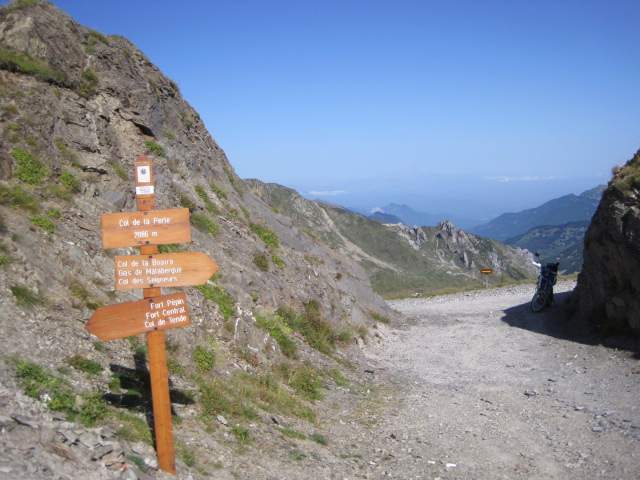
France route
FR-38 Tullins – 58 km route, 1,280 m elevation gain, 7 mountain passes
Find out more
In the OpenRunner mapping software, you'll find routes that have a more or less distant connection with the Club des Cent Cols, with identifiers such as "100 cols", "Cent Cols" and every imaginable variation. These routes are often devoid of the slightest description, have no consistency between them and can sometimes even lead to dangerous situations. All of which is detrimental to the club's image.
We have therefore decided to compile an official list of Club des Cent Cols itineraries that offer both a guarantee of cycling, tourism and safety interests. These guarantees are implemented by all the elements required to feed this compilation.
see : Members' career paths: specifications
Through this list, our objectives are plural:
The routes on this "CCC-labelled" list must be easy to spot and, above all, distinguishable from the shaky routes.
To do this:
On OpenRunner, you'll certainly recognise that you're in the presence of a official route of the club :


When you open the file for this route, you can find the list of routes of the Club des Cent Cols via a link in the top right-hand corner.

The "route description By clicking on the title in the left-hand column, you will find links to the Club des Cent Cols website, where you will find details of the guarantees for cycling tourism, enjoyment and safety.

The total distance of the road, gravel and mule routes and the positive altitude difference mean that these routes are accessible to all regular cyclists. This does not mean, however, that they should not be carefully examined.
We have deliberately excluded from the Cent Cols routes the accesses to the mule passes that involve carrying loads. However, there may be sections that are easy to push, depending on the ability of each person (these accesses are therefore of type R1 sometimes R2, S1 sometimes S2).
 Français Français
  English (UK)
 Italiano
 Deutsch
 Español
 Nederlands (België)